











A Tribute to the Amazigh
Between Desert and Tradition: The Colors of the Amazigh ….
The desert is far more than a place of sand, wind and an endless horizon. For the people of North Africa, it was and remains a living environment, a trade route and a place of cultural exchange. The Amazigh in particular – often also known by the historical designation “Berber” – look back on thousands of years of history in North Africa.
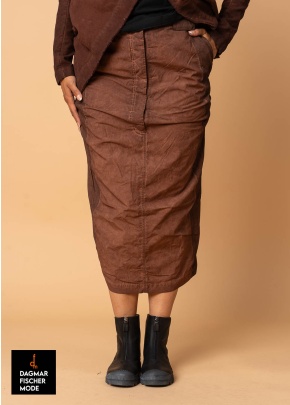
Their culture is shaped by a deep connection to the landscape. Colors, patterns and materials often tell stories of origin, belonging and craftsmanship: the deep reddish brown of henna, earthy shades reminiscent of the desert floor, and strong colors that stand out against the sandy horizon appear in many different forms throughout North African textile and jewelry traditions.
The cities along the old trade routes also became places of cultural exchange. Names such as Dakar evoke associations with West Africa, markets, spices, textiles and the colors of a landscape where desert and ocean meet.
This atmosphere was the starting point for Carsten Rundholz’s Fall/Winter collection for RUNDHOLZ DIP.
It embraces the colors and mood of the desert and translates them into a contemporary, urban wardrobe.
Rather than offering a literal interpretation of North African clothing, the collection is a tribute to the colors, contrasts, fabrics and distinctive atmosphere associated with the desert and its cultural history.
In his collection, Carsten Rundholz does not tell the story of folkloric Berber fashion. Instead, he works very subtly with an earthy, warm desert palette and ornamental references.
This collection is a masterpiece and even inspires devoted lovers of black to wear “color”.
This Sunday, we would like to focus particular attention on the “berber print”:
The pattern draws on the aesthetics of geometric ornamentation found in different Amazigh traditions: diamonds, triangles, lines and rhythmic repetitions are among the characteristic design elements of various North African craft traditions. Depending on the region, these patterns can have very different meanings and expressions – there is no single, uniform “Berber symbolic language”.
This is precisely what makes it so fascinating to see how modern these forms can appear.
On the jacket and trousers, the historical inspiration does not become a traditional costume, but a graphic, contemporary pattern. The colors remain earthy and muted, allowing the ornamentation to speak all the more powerfully.
What we consider essential, and at the same time typically avant-garde and typically studiorundholz, is that tradition is not copied here, but reinterpreted.
From the desert into the present – in avant-garde forms and with only a subtle reference to the inspiring theme.
Let our looks inspire you – with the “berber print” in focus, harmoniously combined with henna and dakar.