













Why a tulle skirt is a must in your closet!

Tulle is a finely woven, transparent fabric that is characterized by its airy structure and lightness. It was originally made from silk, but is now also made from nylon, polyester or cotton. Tulle probably takes its name from the French town of Tulle, a center of lace and net production in the 18th century.
The beginnings of tulle can be traced back to the 17th century. During this time, the production of fine nets began in Europe, with the French town of Tulle playing a pioneering role. In the 18th century, the demand for light, transparent fabrics developed, particularly for fashion and accessories such as veils and hats.
With the invention of the first machines for producing net fabrics in the early 19th century, tulle was increasingly produced by machine, which made the fabric available more quickly and cheaply. The British city of Nottingham in particular became a center of tulle production in the 19th century. The availability and fineness of machine-made tulle meant that it became increasingly popular in fashion and bridal wear.
Tulle is a finely woven, transparent fabric that is characterized by its airy structure and lightness. It was originally made from silk, but is now also made from nylon, polyester or cotton. Tulle probably takes its name from the French town of Tulle, a center of lace and net production in the 18th century.
The beginnings of tulle can be traced back to the 17th century. During this time, the production of fine nets began in Europe, with the French town of Tulle playing a pioneering role. In the 18th century, the demand for light, transparent fabrics developed, particularly for fashion and accessories such as veils and hats.
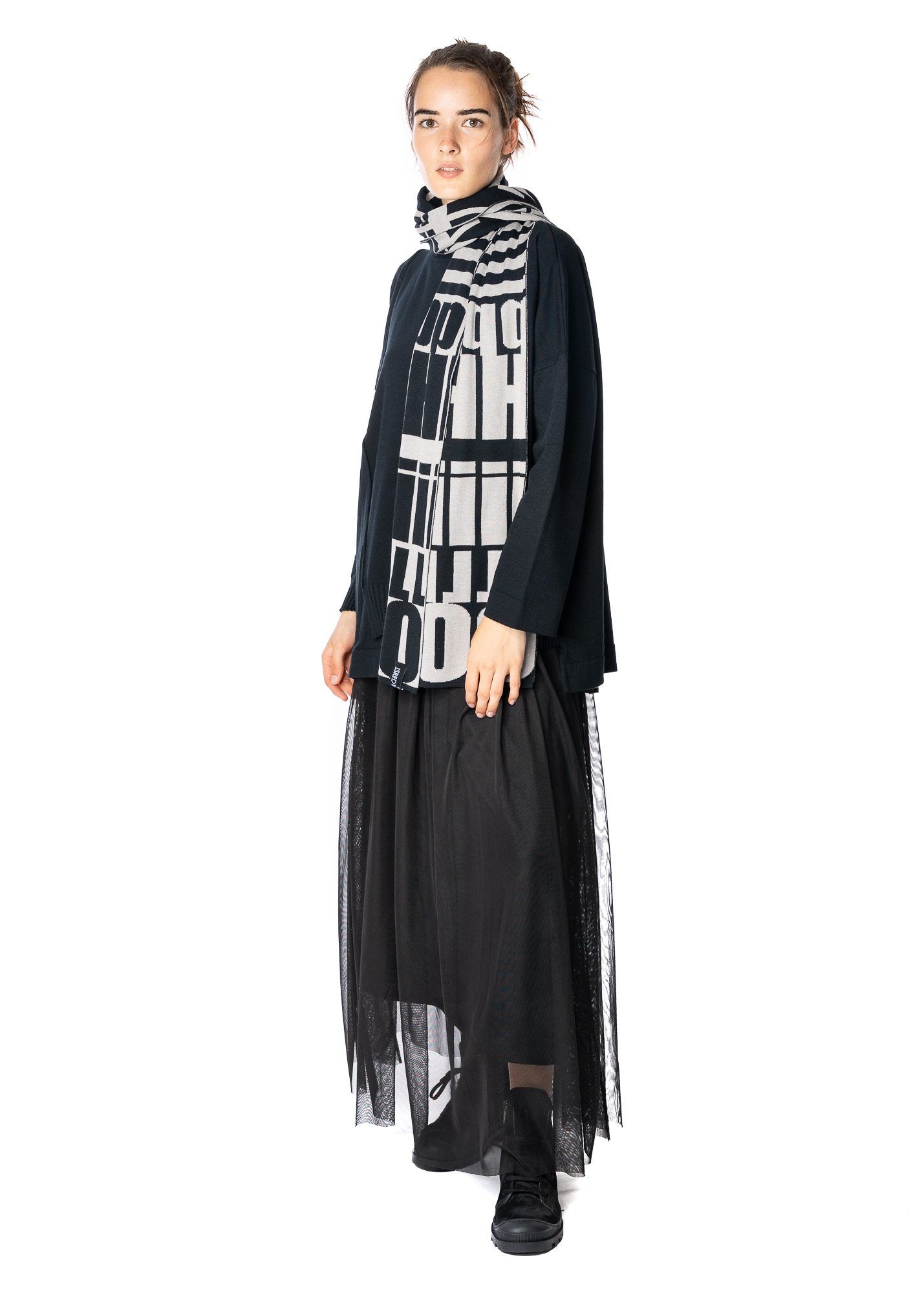
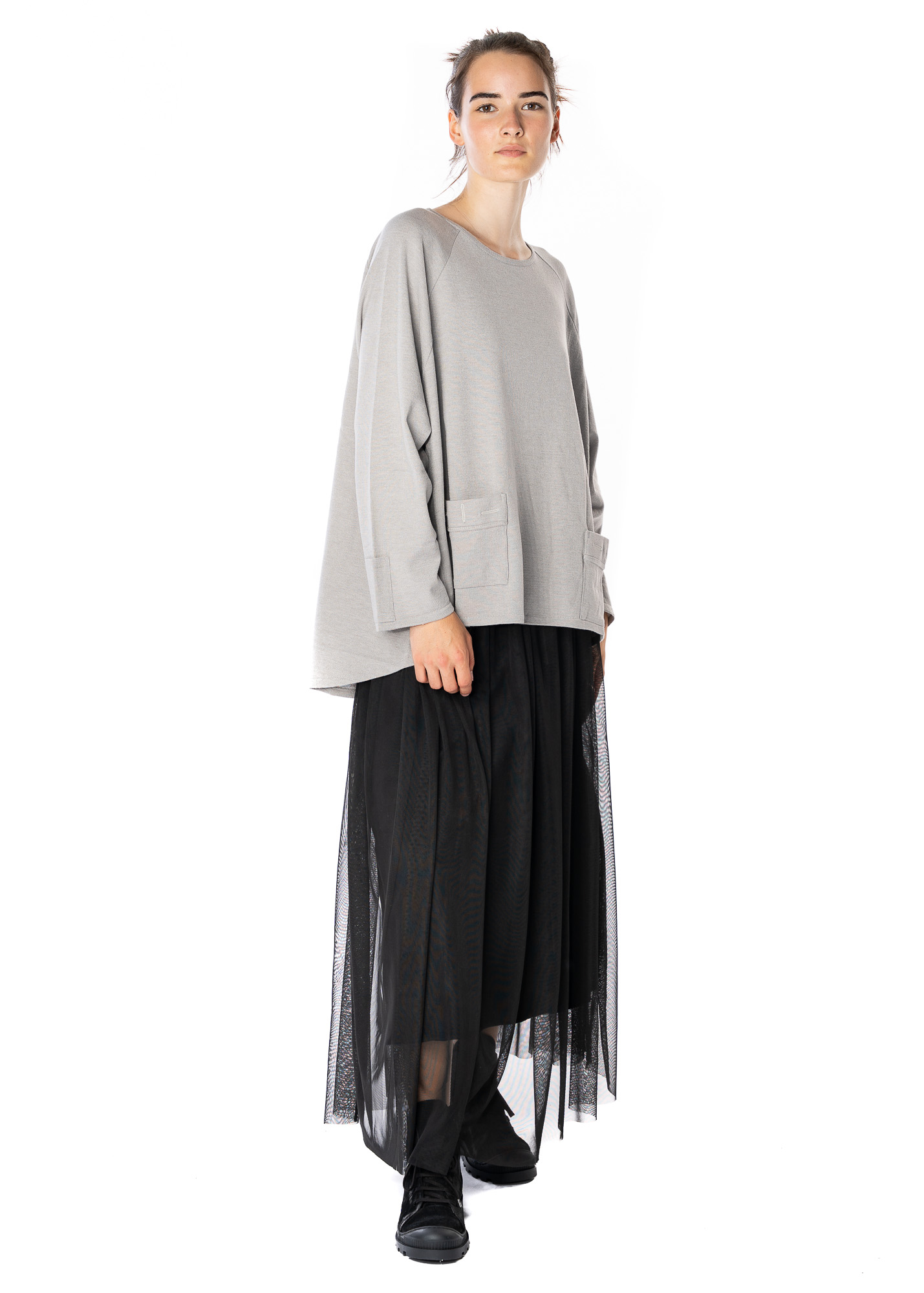
Even in the avant-garde, you can't avoid tulle. Our designers often use this extravagant fabric to set an accent and emphasize the extravagance of a look! Tulle is light and airy, giving it a very feminine touch. It gives volume and structure and highlights silhouettes.
The possible combinations are almost endless.
With the invention of the first machines for producing net fabrics in the early 19th century, tulle was increasingly produced by machine, which made the fabric available more quickly and cheaply. The British city of Nottingham in particular became a center of tulle production in the 19th century. The availability and fineness of machine-made tulle meant that it became increasingly popular in fashion and bridal wear.
Even in the avant-garde, you can't avoid tulle. Our designers often use this extravagant fabric to set an accent and emphasize the extravagance of a look! Tulle is light and airy, giving it a very feminine touch. It gives volume and structure and highlights silhouettes.
The possible combinations are almost endless.
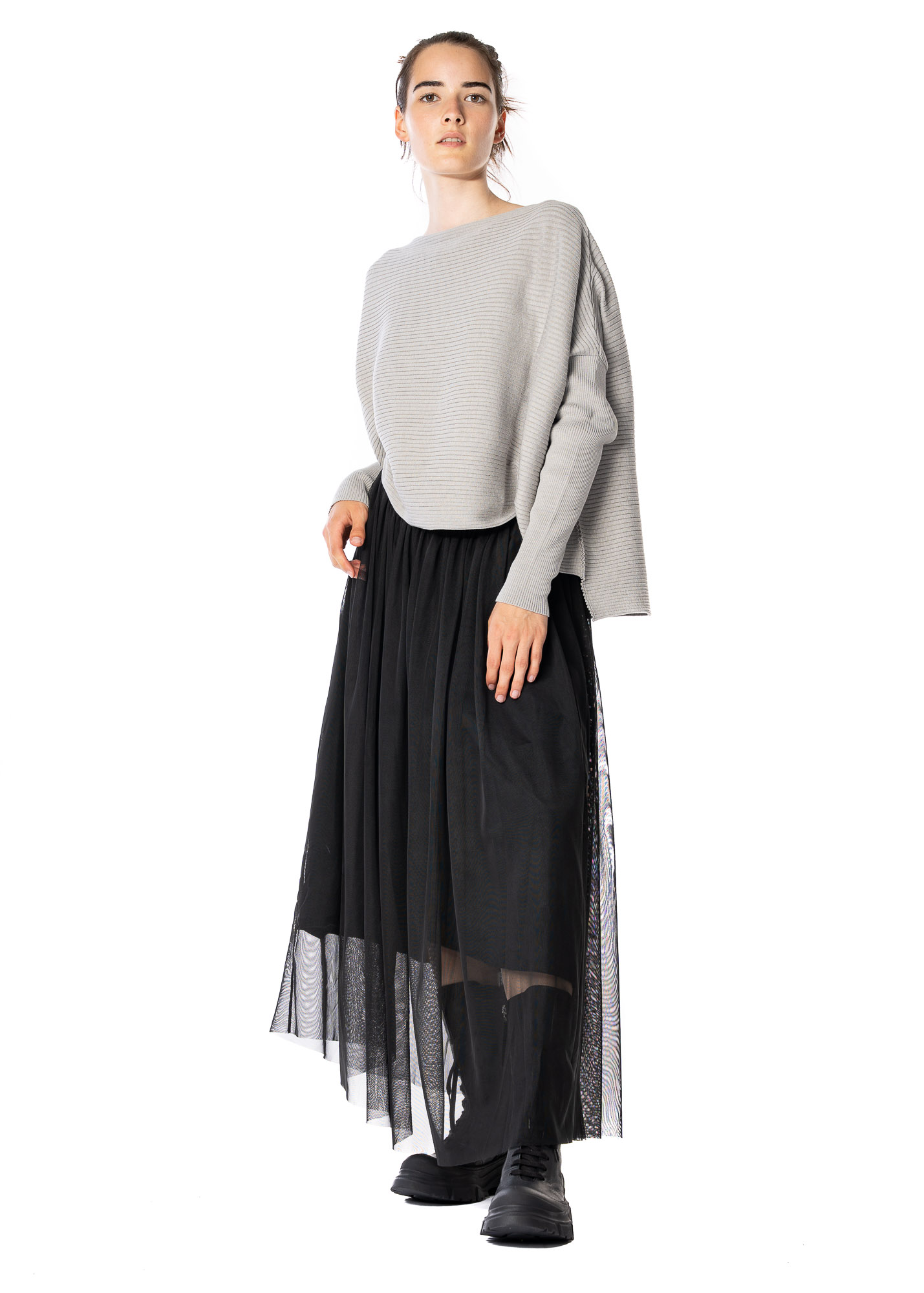
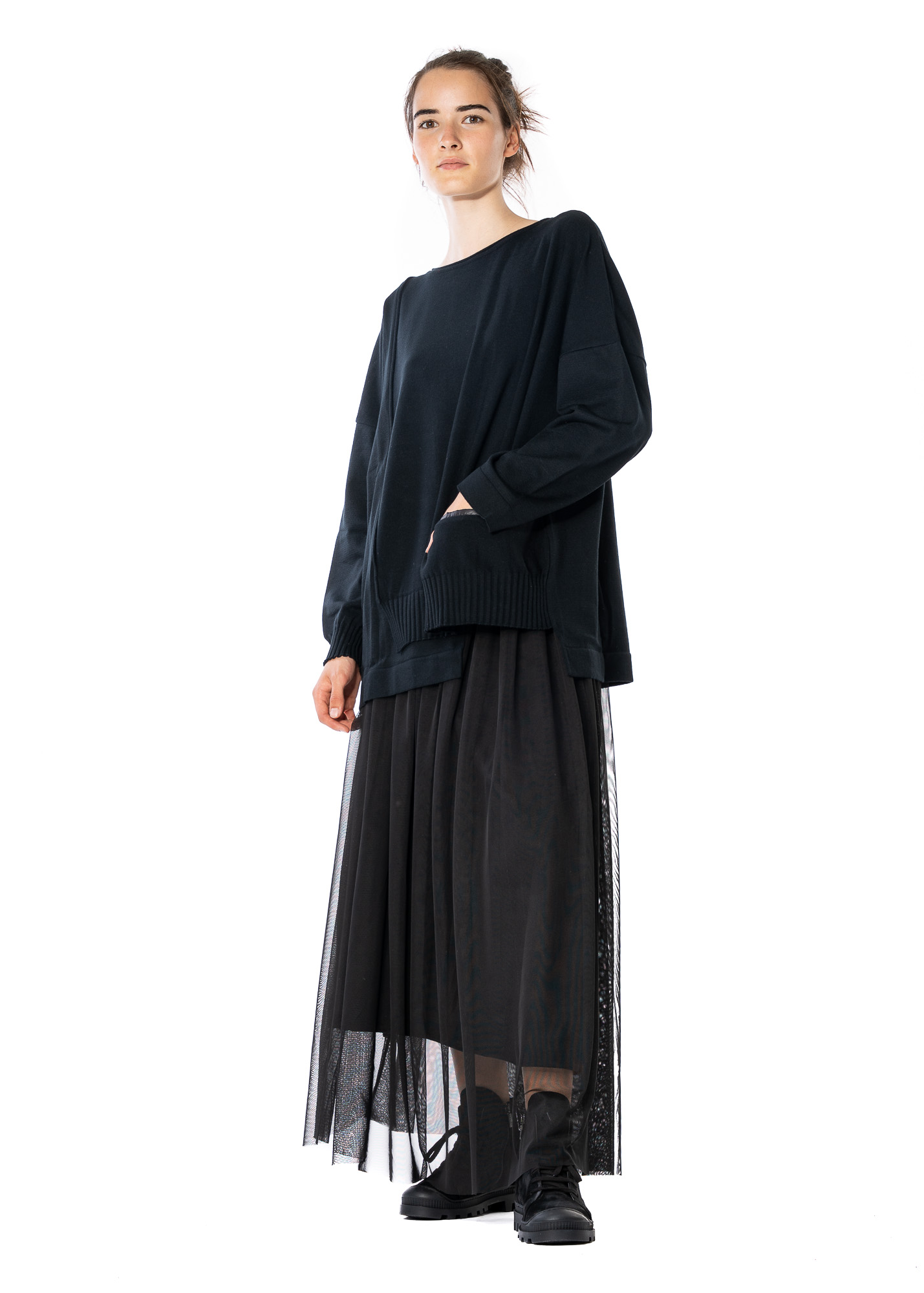
Whether combined with chunky boots and a wide knitted sweater to create a deliberate break in the different materials or sporty with sneakers, one thing is for sure: you are guaranteed to stand out with a tulle skirt! We love tulle skirts and the special combination possibilities and therefore advocate that every woman should own at least one tulle skirt!