



















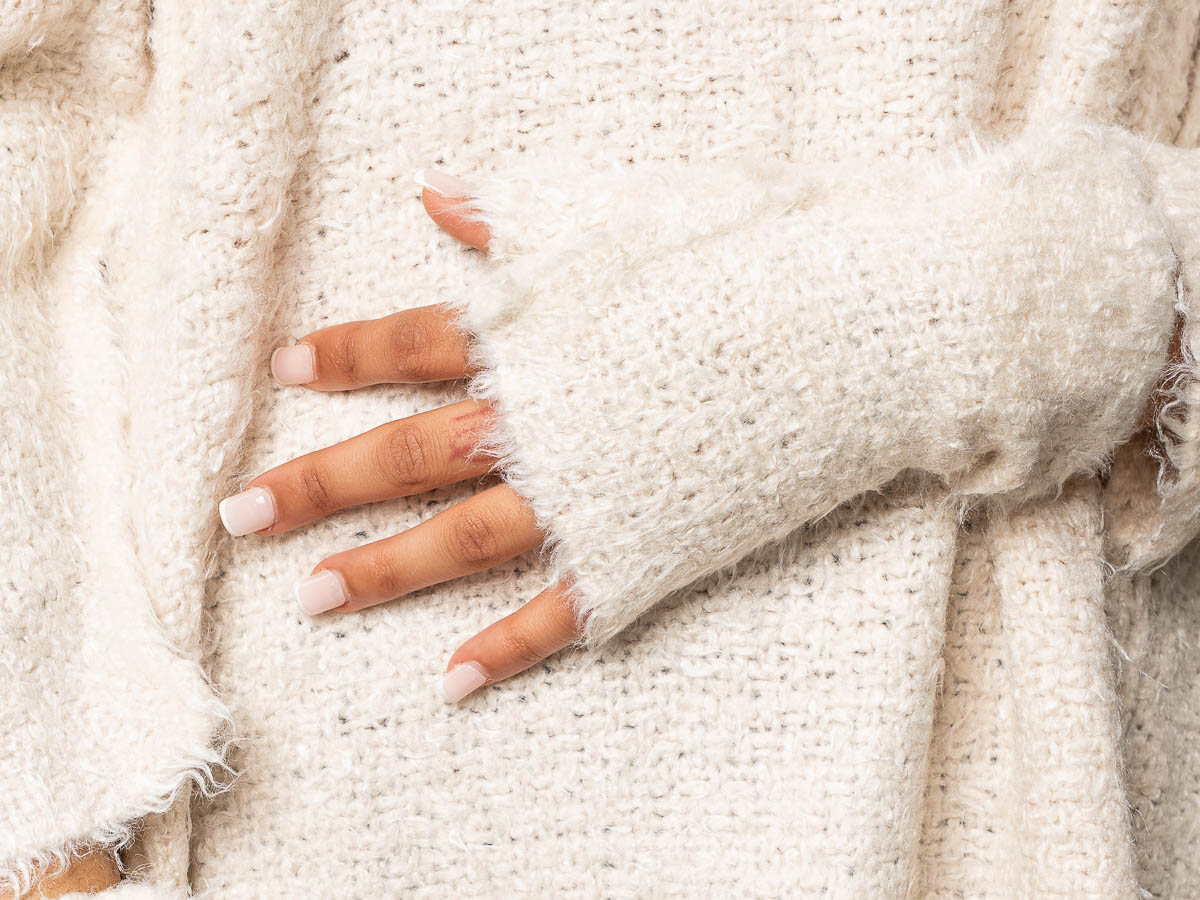
An unparalleled feel - soft and smooth - and with many outstanding features:
temperature regulating, moisture absorbing, durable, wrinkle-resistant, dirt and odor repellent, and elastic
Well, do you know which fantastic natural material is being talked about today?!
Exactly, of course we are talking about SILK
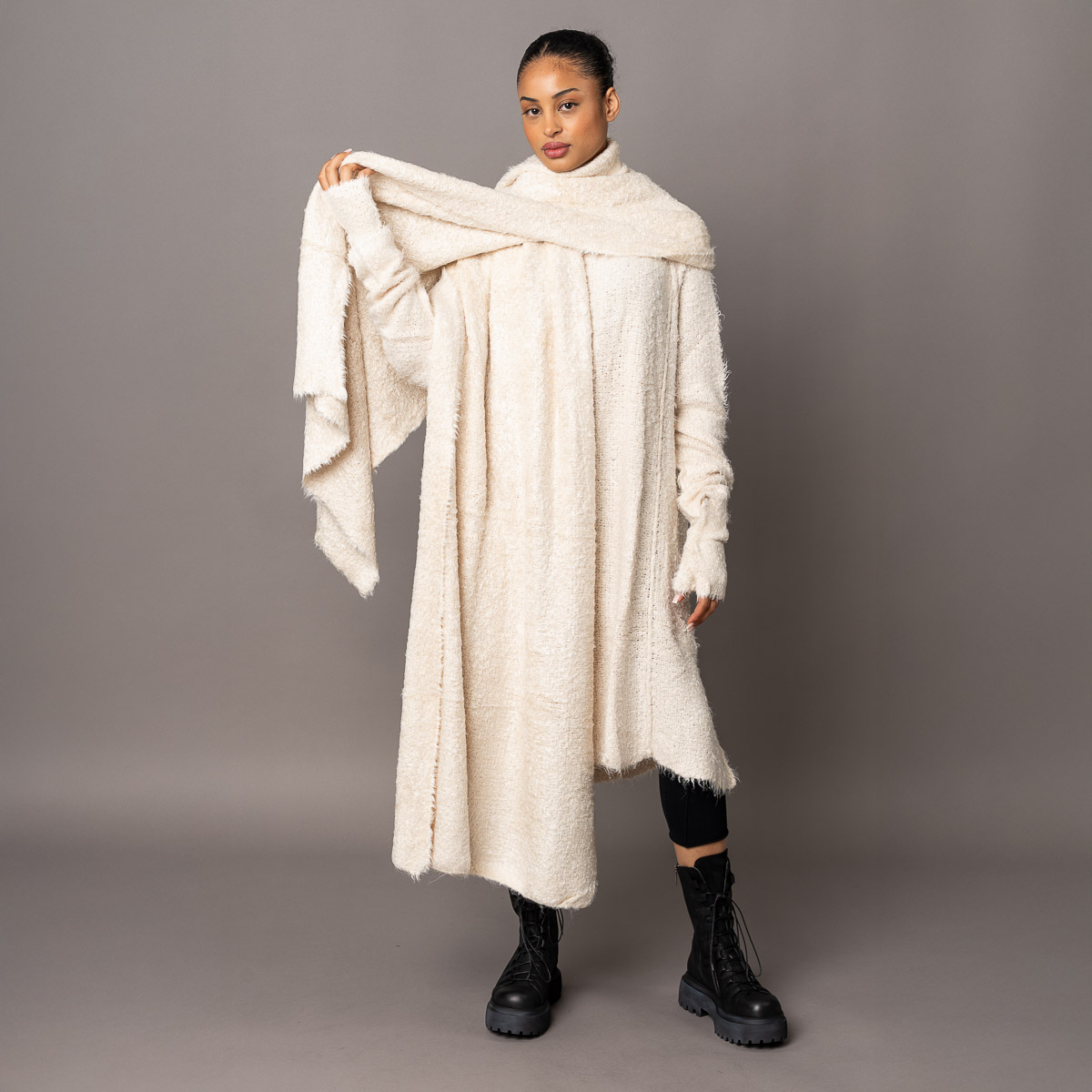
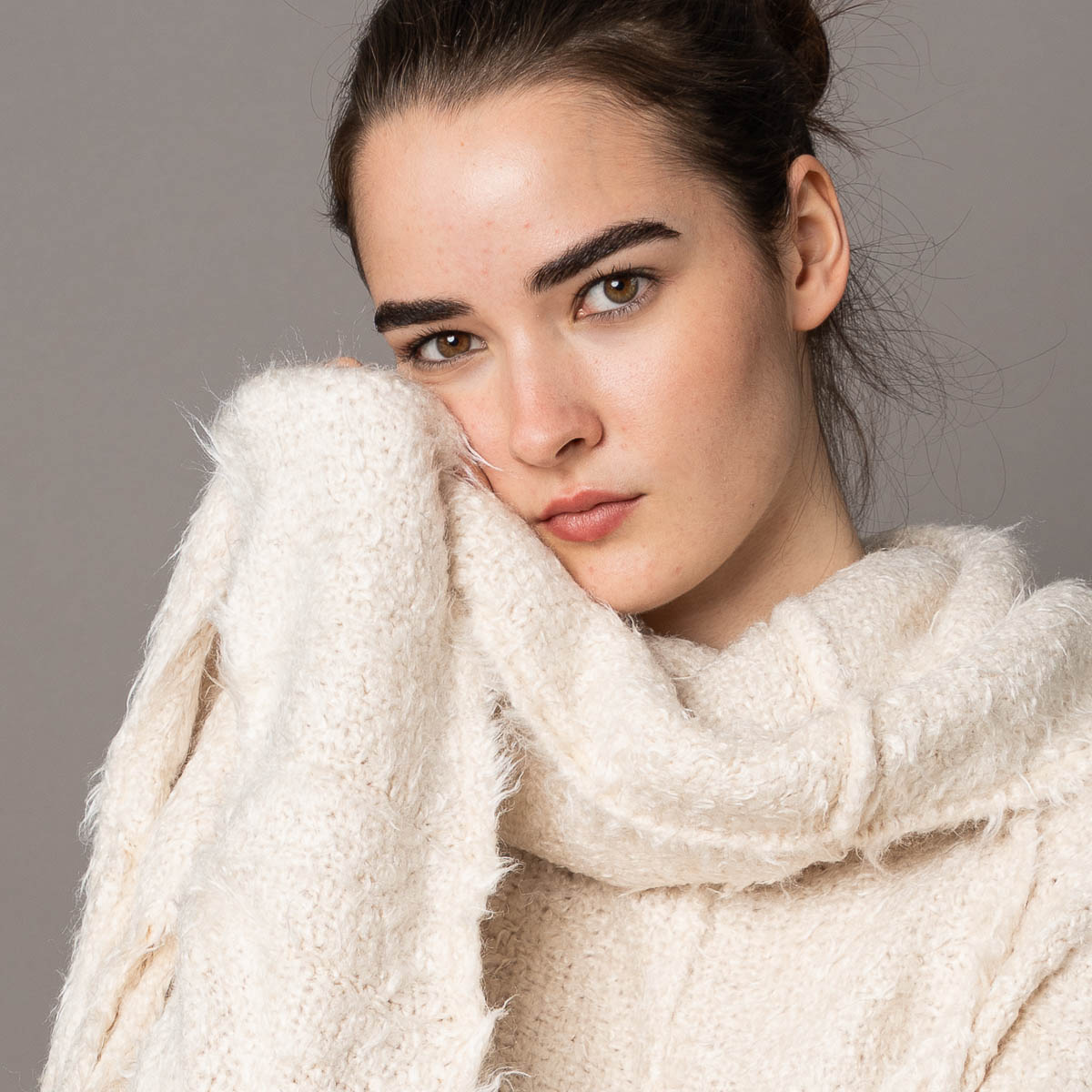
And Carsten Rundholz would not be such an outstanding designer, if he didn't come up with something special with this particular material… The current autumn/winter collection features a beautiful series of silk knit.
It's hard to put into words, you have to feel it on the skin… The silk knit is simply wonderful. It combines all the benefits of smooth silk and also has an incomparable knit appearance.
For those who cannot tolerate regular knit, this series is just the right thing!



Care instructions
• Silk is delicate when wet and should not be wrung out. Therefore, please dry flat.
• It is recommended to wash silk with a special alkali-free detergent.
• Silk should not be dried in direct sunlight as the colors may fade.
The Journey of Silk

Die Historie der Seide ist fast einem Krimi gleichzusetzen
The history of silk can almost be equated to a thriller.
The earliest finds of Chinese silk come from the Indus civilization (around 2,800 BC). The Chinese domesticated the silkworm Bombyx mori about 5,000 years ago, the idea probably originating from the Chinese Emperor Fu Xi.
Probably in the first to second century BC, Chinese silk reached the Mediterranean through long-distance trade, began to become a luxury good in the Roman Empire, and started to displace traditional fabrics.
The trade routes were complex, initially running over the Indian Ocean, Egypt, and Alexandria to Italy. It was not until around 200 AD that trade via the Silk Road through Samarkand began.
The Chinese Empire wanted to keep the knowledge of silk production in the country at all costs and prohibited under penalty of death the export of the valuable silkworms.
In the year 555, however, this happened through two Persian monks who smuggled some eggs to Constantinople. This brought production to Europe, with initial centers being Italian Lucca, later Venice (from about 1300), and from the 17th to the 19th century, for example, German Krefeld, which supplied Napoleon and Frederick II.