















Graphite
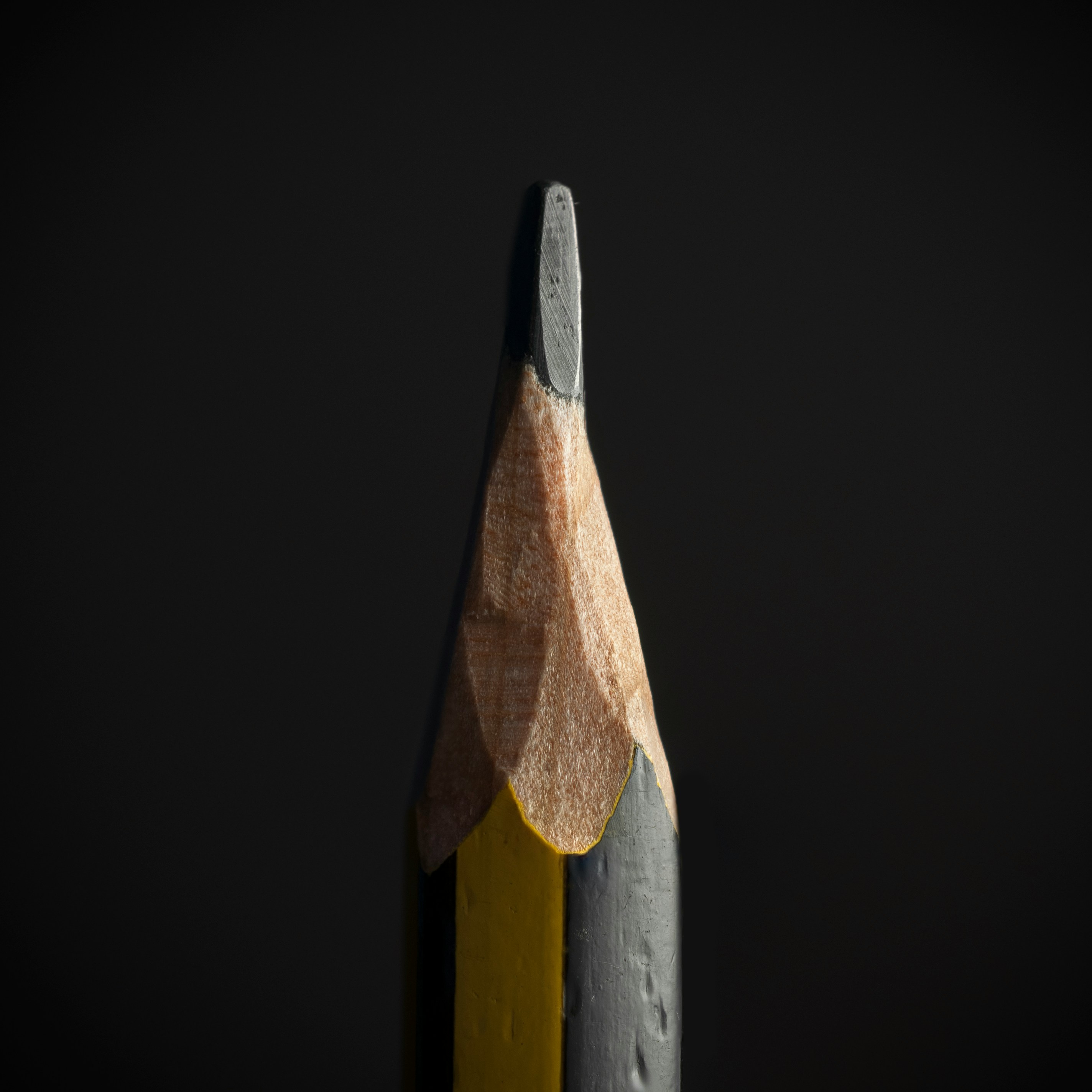
Everyone has held it in their hands, usually in the form of a pencil....: GRAPHITE
The term “graphite” has its origins in the Greek word graphein, which means “to write”.
And it is from this word origin that the first and almost most important area of application is derived - use as a writing tool in the form of a pencil.
Lead leaves a similar mark on paper as graphite and was used early on for writing.
The Egyptians are said to have poured molten lead into reeds, bamboo canes or papyrus reeds as long as 5000 years ago and then used them for writing.
According to Pliny the Elder, pure lead pencils were used in ancient times due to the favorable abrasion properties of lead.
At this time, small, round lead disks were also used to draw lines. In addition to the real lead pencil with a lead tip, silver pencils or silver pens were used for writing and drawing.
Towards the end of the 18th century, these were replaced by graphite pencils.
However, the term “pencil” remained and still causes confusion even in the art scene today.
The pencil as we know it today was invented around 1550 and first manufactured in the northern English town of Keswick from 1558.
The graphite deposit discovered in nearby Borrowdale in 1564 played a decisive role in the spread of the pencil.
The crystalline, layered structure of graphite was ideal for the well-known pencil. In the 1660s, graphite rods made from Borrowdale graphite and encased in wood were used in many countries.
At that time, graphite was mistaken for lead ore, which gave rise to the misleading name “pencil”. This historical name has remained unchanged to this day.

According to Pliny the Elder, pure lead pencils were used in ancient times due to the favorable abrasion properties of lead.
At this time, small, round lead disks were also used to draw lines. In addition to the real lead pencil with a lead tip, silver pencils or silver pens were used for writing and drawing.
Towards the end of the 18th century, these were replaced by graphite pencils.
However, the term “pencil” remained and still causes confusion even in the art scene today.
The pencil as we know it today was invented around 1550 and first manufactured in the northern English town of Keswick from 1558. The graphite deposit discovered in nearby Borrowdale in 1564 played a decisive role in the spread of the pencil.
The crystalline, layered structure of graphite was ideal for the well-known pencil. In the 1660s, graphite rods made from Borrowdale graphite and encased in wood were used in many countries.
At that time, graphite was mistaken for lead ore, which gave rise to the misleading name “pencil”. This historical name has remained unchanged to this day.



The versatile applications of graphite
Graphite is not only used for pencils, but is also used in many other areas.
It is used in electronics and electrical engineering, in metallurgy, in the production of glass and quartz glass as well as in mechanical and nuclear applications.
What exactly is graphite?
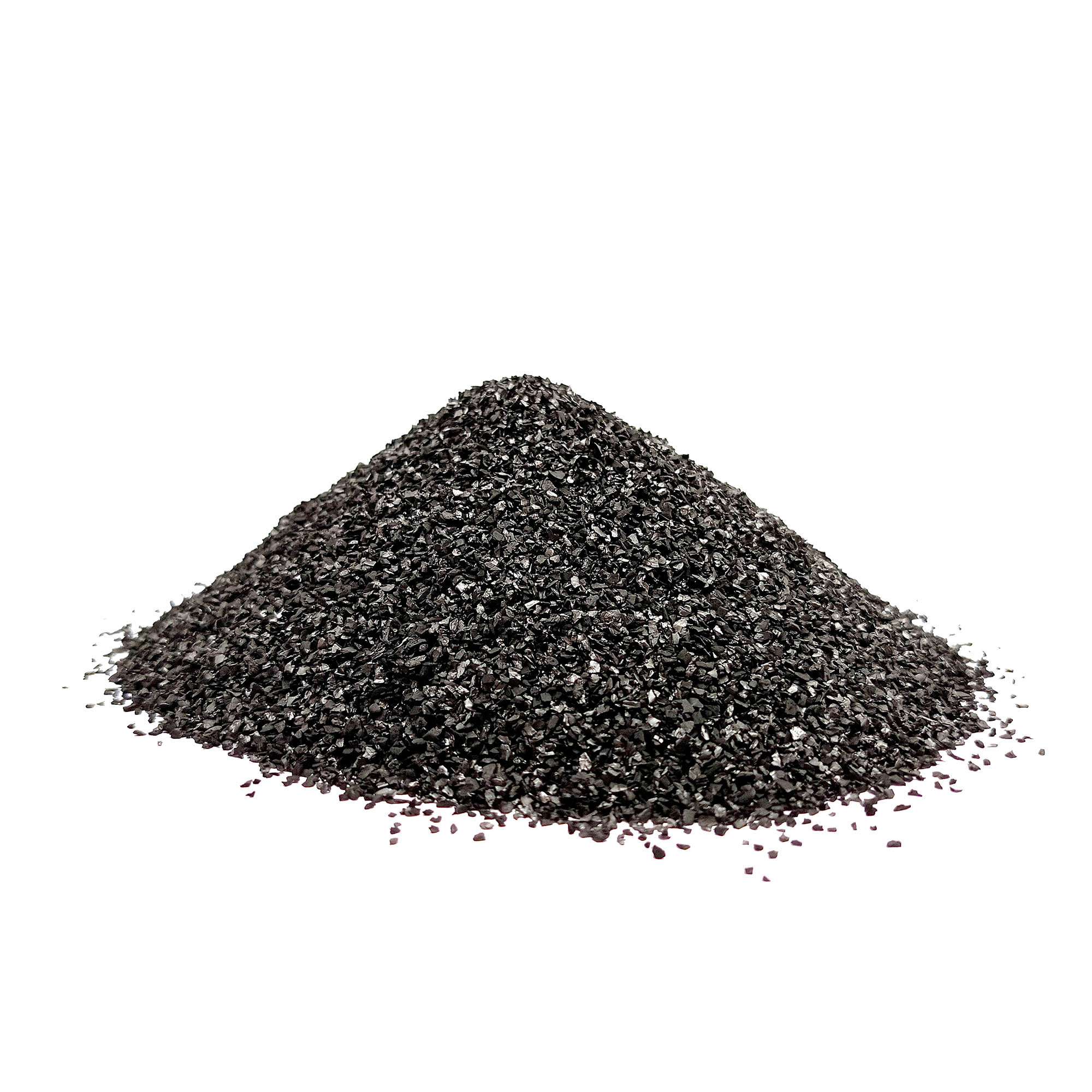
Graphite is a naturally occurring modification of carbon (chemical formula: C). Its atoms arrange themselves in the hexagonal pattern typical of carbon and thus form a hexagonal layered lattice.
Graphite gets its typical grey color from its opaque grey to black crystals.
And it was precisely this extraordinary, rich color that inspired Paulina Blachura and her team at studiob3 to include it in the current collection.