



















GALAXY
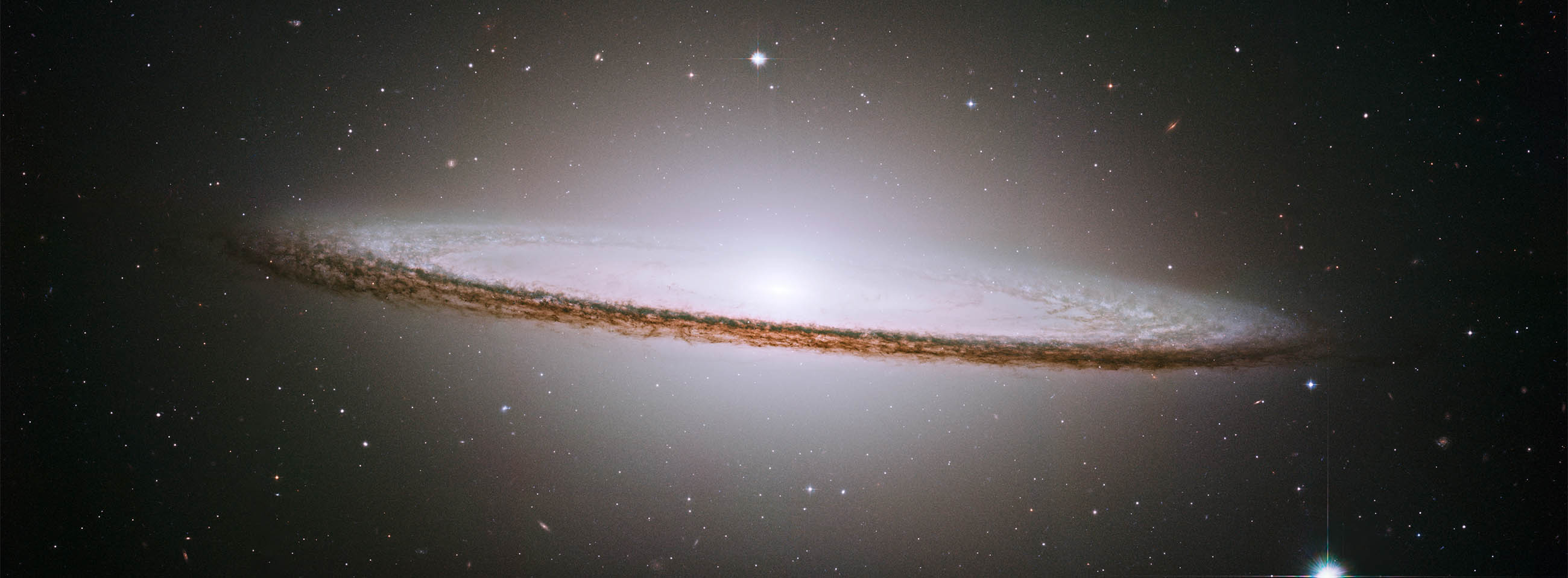
Galaxies are huge, coherent collections of stars, planets, gas, dust and dark matter that are held together by gravity.
Our own galaxy, the Milky Way, is just one of many billions of galaxies in the universe.
Galaxies can appear in different shapes - spiral, elliptical or irregular.
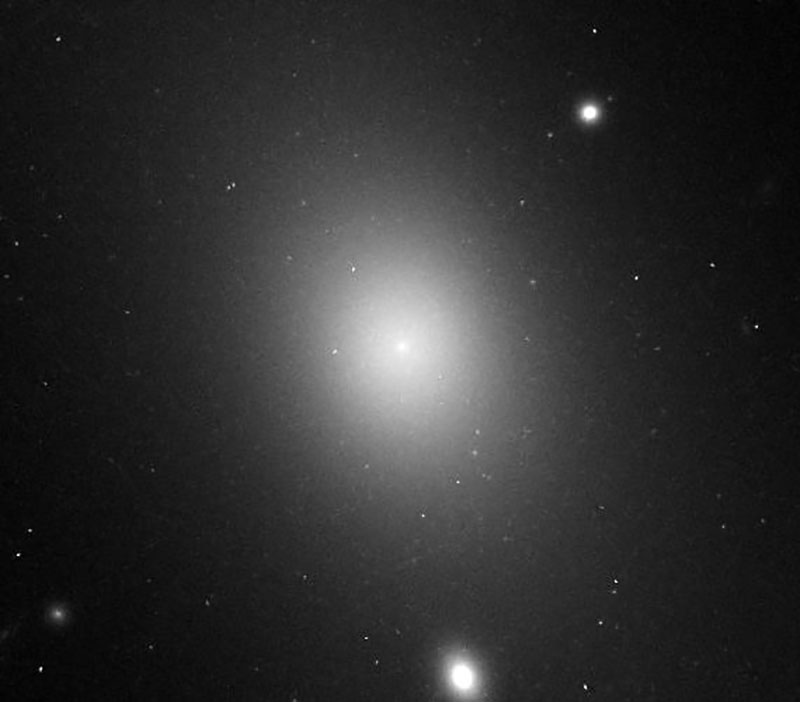
The largest galaxy known to date is an elliptical galaxy known as IC 1101. It is located around 1 billion light years away from our Earth in the constellation of the Snake. Its gigantic diameter is 6 million light years (for comparison: the diameter of the Milky Way is 105,700 light years).

At the center of most galaxies is a supermassive black hole. The stars in a galaxy move in different orbits, and this movement can cause the galaxy to change over long periods of time.
Galaxies can even influence each other, collide or merge, which can lead to new structures and star formation processes.
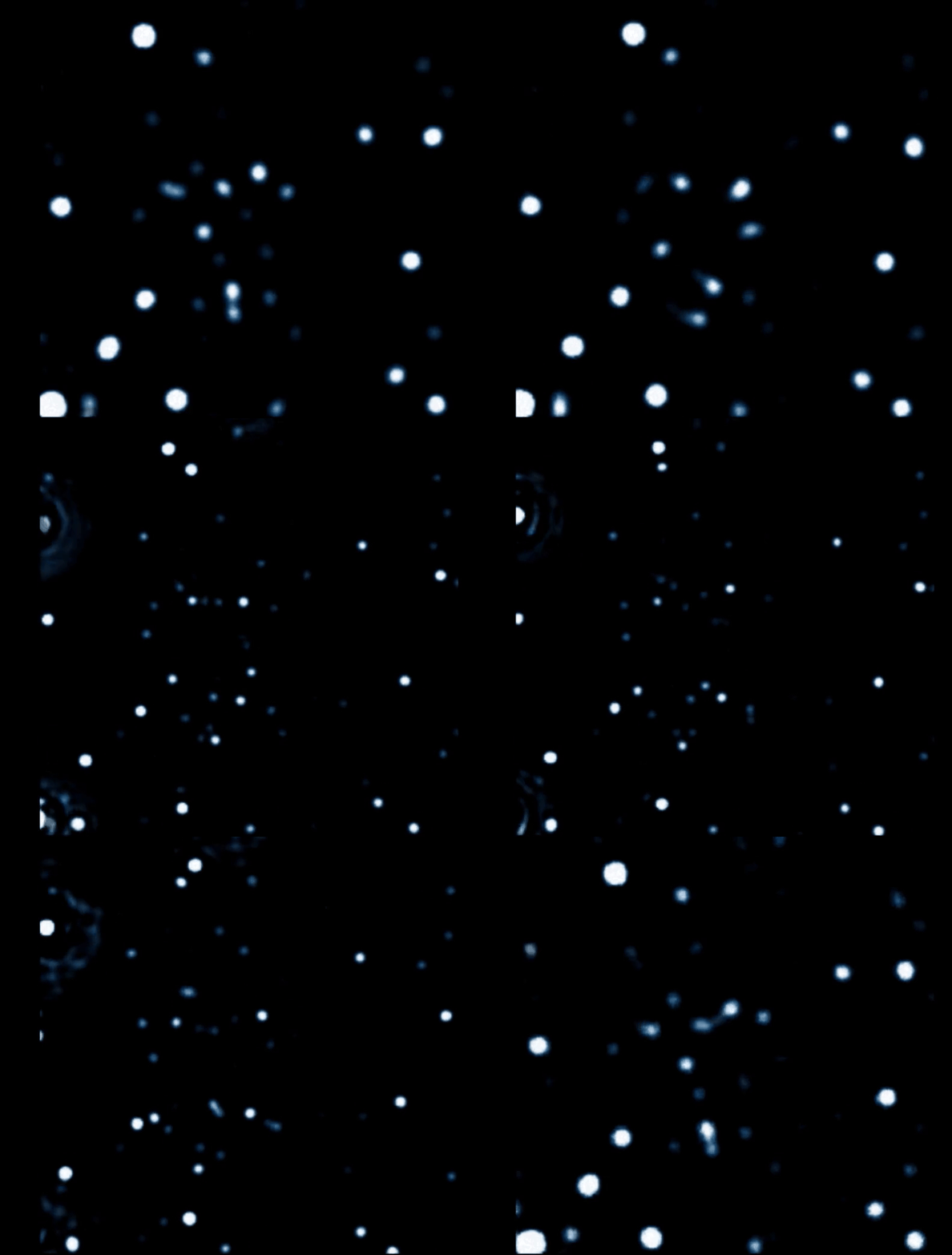
Using state-of-the-art telescopes, scientists have succeeded in creating a time-lapse image of the black hole at the center of our Milky Way.
The images impressively show how stars rotate around an invisible point, confirming the existence of the black hole.
How does science come up with your figures and calculations?
Scientists measure the distance of nearby stars using parallax by observing their apparent motion against the background of other stars as the Earth moves around the Sun.
For more distant stars and galaxies, they use so-called standard candles such as Cepheids or supernovae, whose true brightness is known.
The distance can be calculated by comparing it with the observed brightness.
The red shift is used for very distant galaxies: As the universe expands, their light is shifted into the red region of the spectrum. The Hubble law can be used to determine the distance.
The size of stars and galaxies is ultimately derived from their distance, brightness and the resolution of telescopes.

Left: James Webb Space Telescope (6.5 meter mirror diameter)
Right: Hubble Space Telescope (2.4 meter mirror diameter)
The colors of galaxies and space are not easy to determine because they depend heavily on the content and development of each individual galaxy. The bluer a galaxy appears, the more hot, young stars it contains and the more active its star formation is.
These galaxies glow intensely because their stars emit large amounts of high-energy blue light.
Redder galaxies, on the other hand, are dominated by older, cooler stars that emit less energetic light. Such galaxies are considered to be older, as hardly any new stars are formed in them and many of their once luminous stars have already faded or died out.
Interestingly, the combined light of all the stars and galaxies in the universe produces a soft, beige hue that astronomers refer to as “cosmic beige” or “cosmic latte”. This color was determined by analyzing the light from hundreds of thousands of galaxies.
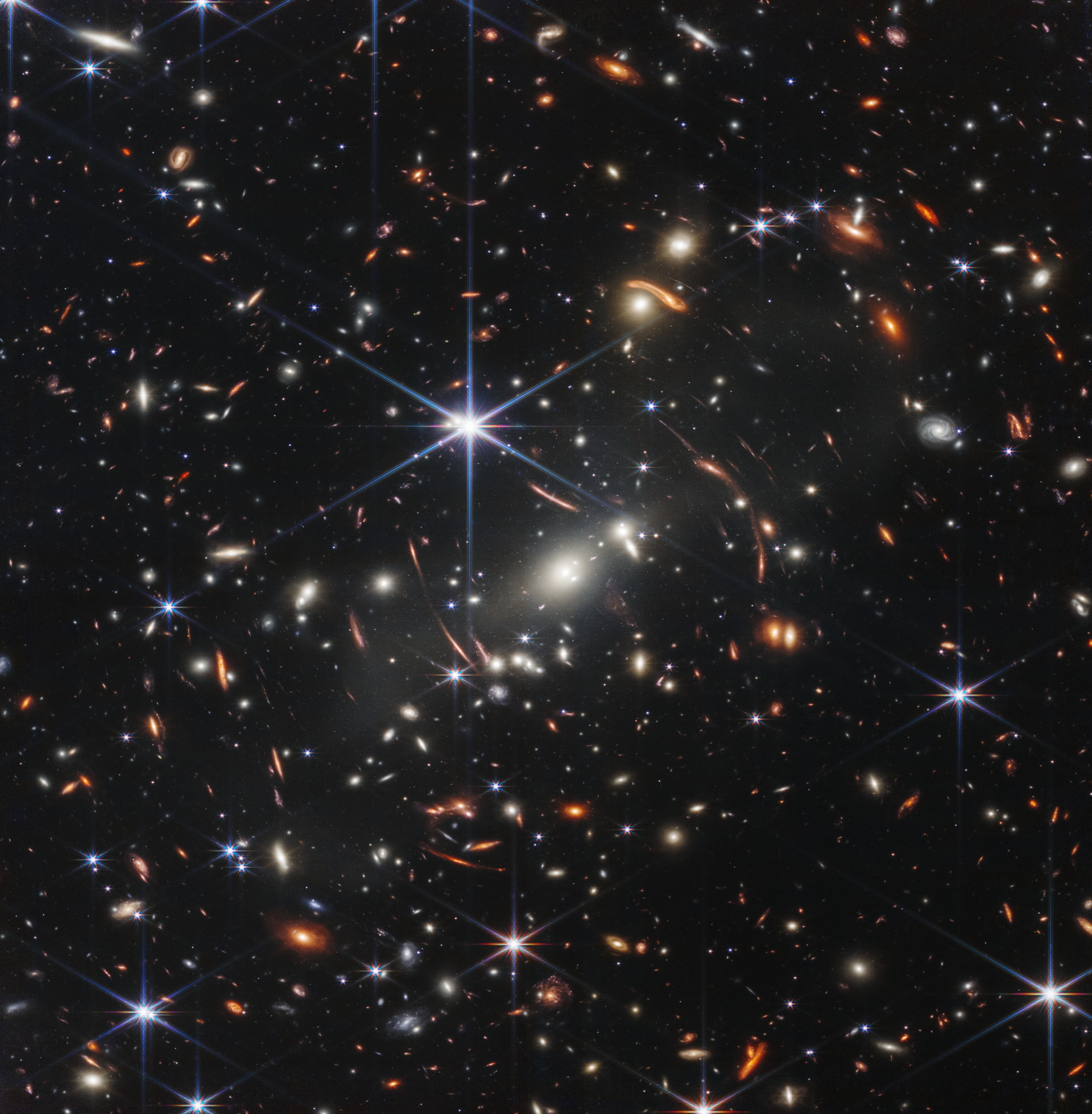
One of the first images taken by the James Webb Space Telescope shows a huge collection of galaxies of different ages and distances. The redder a galaxy appears, the further away it is in this field of view.
But although space should shimmer in this soft beige color, it appears black to the human eye.
This is because the universe is almost empty and light is only visible where it is reflected or emitted by stars, nebulae or galaxies.
In the vastness of the cosmos, the light of countless suns blends into a color that remains invisible to us, but which astronomers' data reveal to be the true glow of the universe.
These fascinating facts inspired Carsten Rundholz and the delicate shade called GALAXY was created.
Discover this warm summer color that flatters every skin tone in our favorite looks...