


















ASTEROID
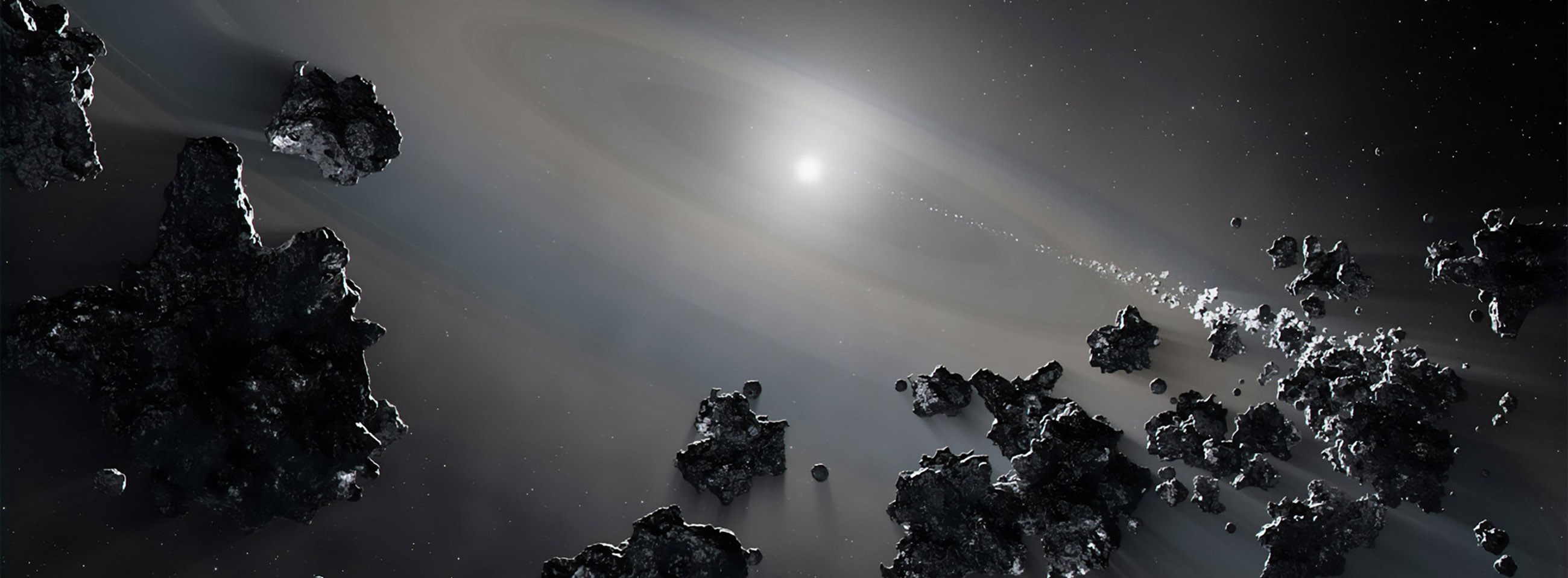
Asteroids are small, rocky formations that were left over from the formation of the planets 4.5 billion years ago - they are often referred to as 'minor planets'. It is assumed that there are billions of these lumps of rock.
The name comes from the ancient Greek "ἀστεροειδής asteroeidḗs" and literally means “star-like”.
How was the first minor planet actually discovered?
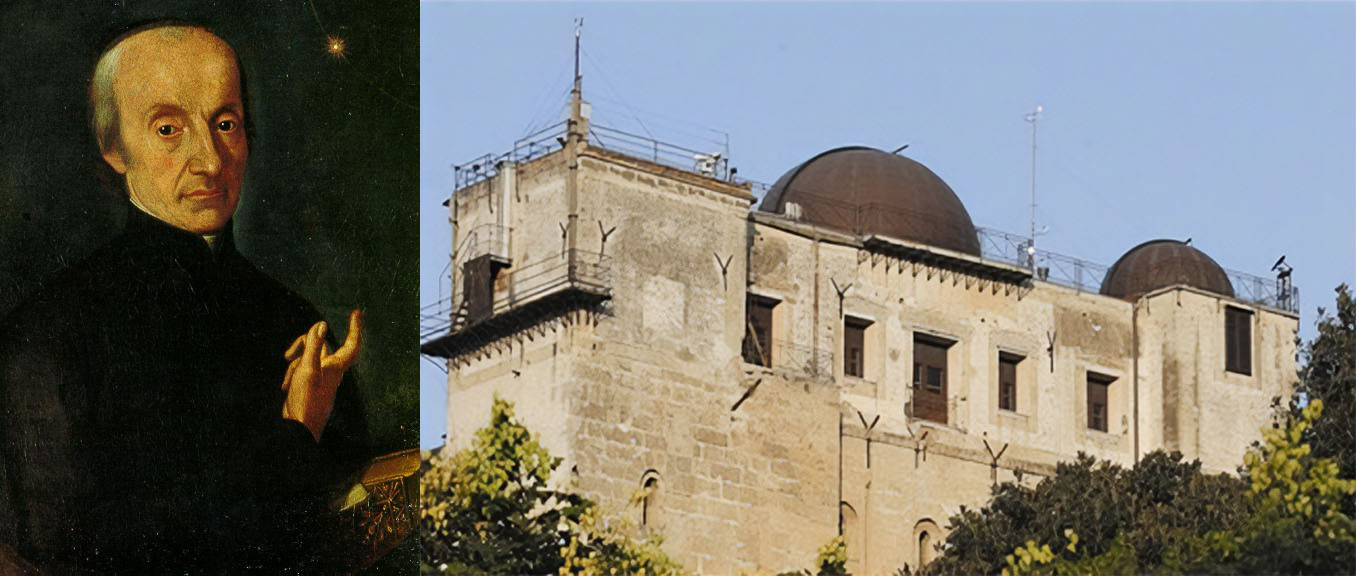
On New Year's night in 1801, the astronomer and theologian Giuseppe Piazzi discovered a faintly shining celestial body that was not listed on any star chart while surveying the constellation of "Taurus" in the telescope of the Palermo Observatory (Sicily). Piazzi observed the object in the following nights as he suspected that he had found a new planet.
However, Piazzi fell ill and was unable to continue his observations. A lot of time passed before his observations were published.
In the meantime, the celestial body had moved further towards the sun and could not be found again at first.
However, the mathematician Carl Friedrich Gauss had developed a numerical procedure that made it possible to determine the orbits of planets or comets using the method of least squares based on just a few positions.
After reading Piazzis publications, Gauss calculated the orbit of the celestial body and sent the result to Gotha.
Heinrich Wilhelm Olbers then rediscovered the object on December 31, 1801, which was eventually given the name Ceres. In 1802, Olbers discovered another celestial body, which he named Pallas. Juno was discovered in 1803 and Vesta in 1807.
However, 38 years passed before the fifth asteroid, Astraea, was discovered in 1845. The asteroids discovered up to that point were not yet referred to as such - they were considered fully-fledged planets at the time. As a result, the planet Neptune was not counted as the eighth planet when it was discovered in 1846, but as the thirteenth.
From 1847, however, further discoveries followed so quickly that it was soon decided to introduce a new class of celestial bodies for the numerous, but all quite small, celestial bodies orbiting the sun between Mars and Jupiter: the asteroids, the so-called small planets. This reduced the number of large planets to eight. By 1890, a total of over 300 asteroids had been discovered.
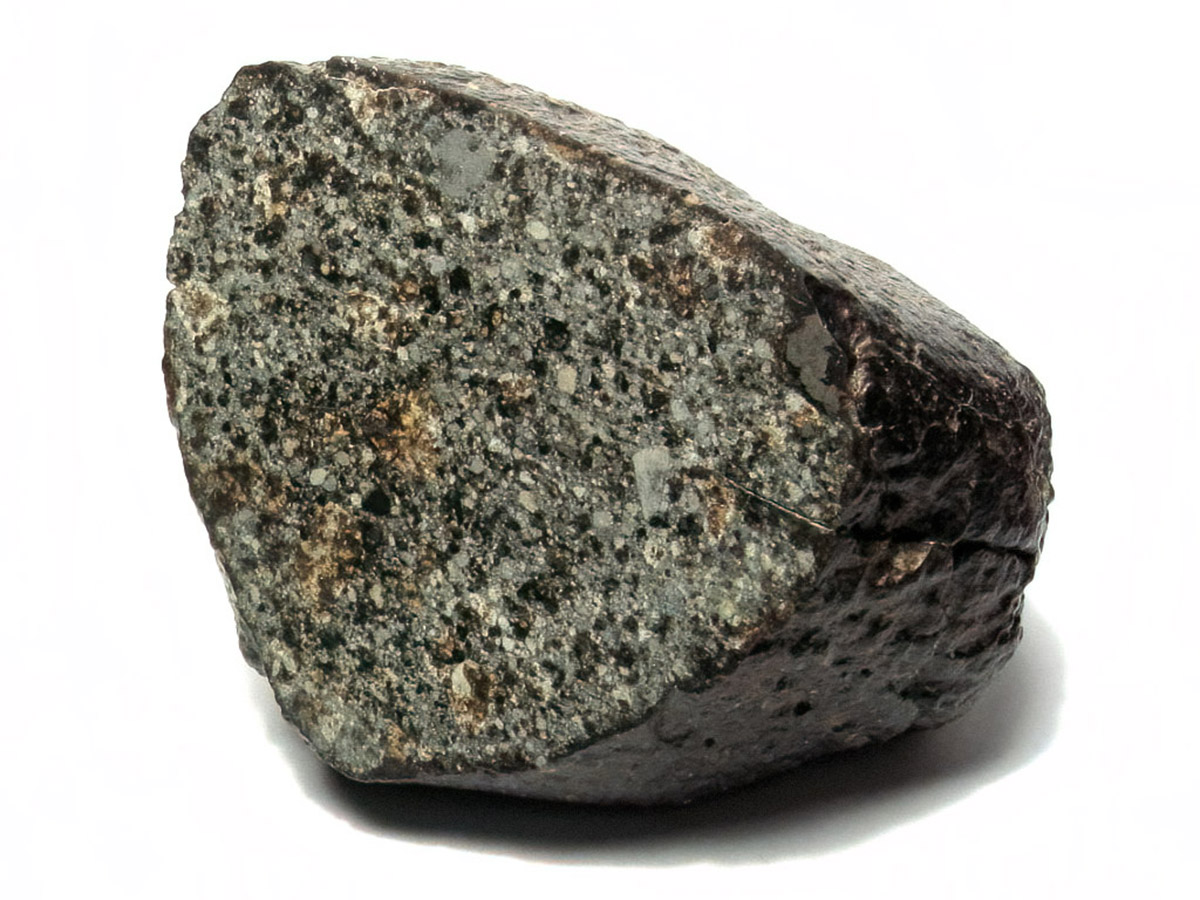
Chondrite asteroids consist largely of clay mixed with silicate rock, which is why they tend to have a dark gray appearance. Carsten Rundholz dedicates a color in his RUNDHOLZ collection to the interesting celestial bodies. With the first large delivery came beautiful favorite pieces in the colors “asteroid”, “asteroid melange”, “asteroid pigment” and “asteroid paint”. WE ARE THRILLED !!!