


















AMBER - the floating gold and its color
Amber - also known as ambergris - is a legendary substance that has always been considered extremely valuable. In earlier times, ambergris was sometimes even more precious than gold, as it served as a particularly high-quality fixative in perfume production.
But why is it called "floating" gold?
Ambergris is formed in the intestines of the sperm whale, presumably as a protective reaction against pungent, indigestible food components such as squid beaks. The substance is either excreted naturally or released after the whale dies. Fresh ambergris is dark, soft and emits an extremely unpleasant odor. Over time, however, it develops into the coveted substance that makes it so valuable: the substance hardens and develops a sweet, earthy fragrance.
Ambergris has a long history. In Europe and the Middle East, it was used to make fragrances last longer. But it was also popular in medicine and rituals. It was believed that its scent could ward off illness or bring good luck. At the time of the plague, people wore ambergris beads to protect themselves from the "bad" air.
Ambergris is even said to have been used in the culinary arts - according to historical reports, it was used to flavor food. In perfumes, ambergris lends a deep, sensual, musky and earthy base note. In modern fragrances, however, it is often replaced by synthetic fragrances such as ambroxan, as real ambergris is extremely expensive and difficult to obtain.
Amber - also known as ambergris - is a legendary substance that has always been considered extremely valuable. In earlier times, ambergris was sometimes even more precious than gold, as it served as a particularly high-quality fixative in perfume production.
But why is it called "floating" gold?
Ambergris is formed in the intestines of sperm whales, presumably as a protective reaction against pungent, indigestible food components such as squid beaks. The substance is either excreted naturally or released after the whale dies. Fresh ambergris is dark, soft and emits an extremely unpleasant odor. Over time, however, it develops into the coveted substance that makes it so valuable: the substance hardens and develops a sweet, earthy fragrance.
Ambergris has a long history. In Europe and the Middle East, it was used to make fragrances last longer. But it was also sought after in medicine and rituals. It was believed that its scent could ward off illness or bring good luck. At the time of the plague, people wore ambergris beads to protect themselves from the "bad" air.
Ambergris is even said to have been used in the culinary arts - according to historical reports, it was used to flavor food. In perfumes, ambergris lends a deep, sensual, musky and earthy base note. In modern fragrances, however, it is often replaced by synthetic fragrances such as ambroxan, as real ambergris is extremely expensive and difficult to obtain.
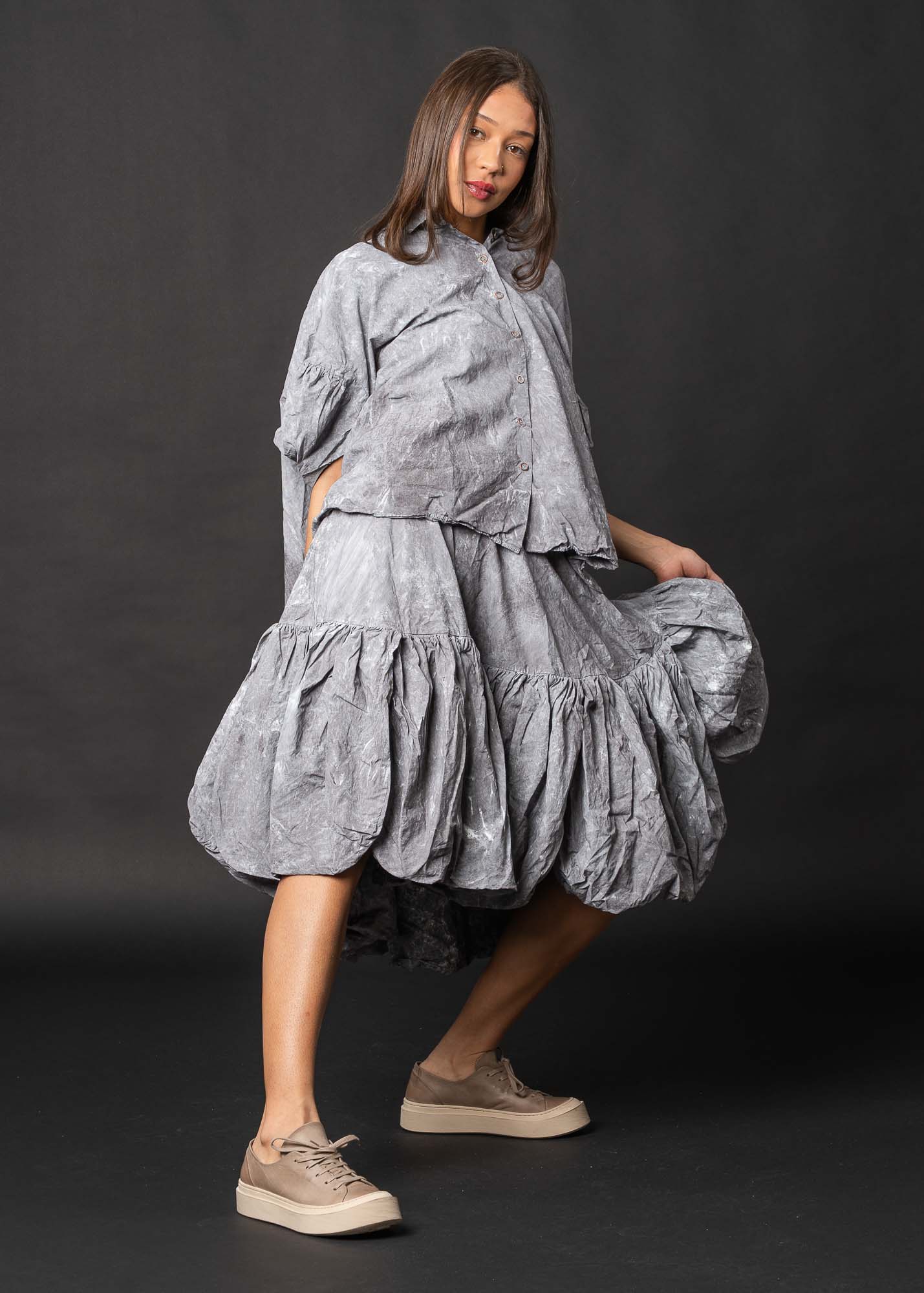

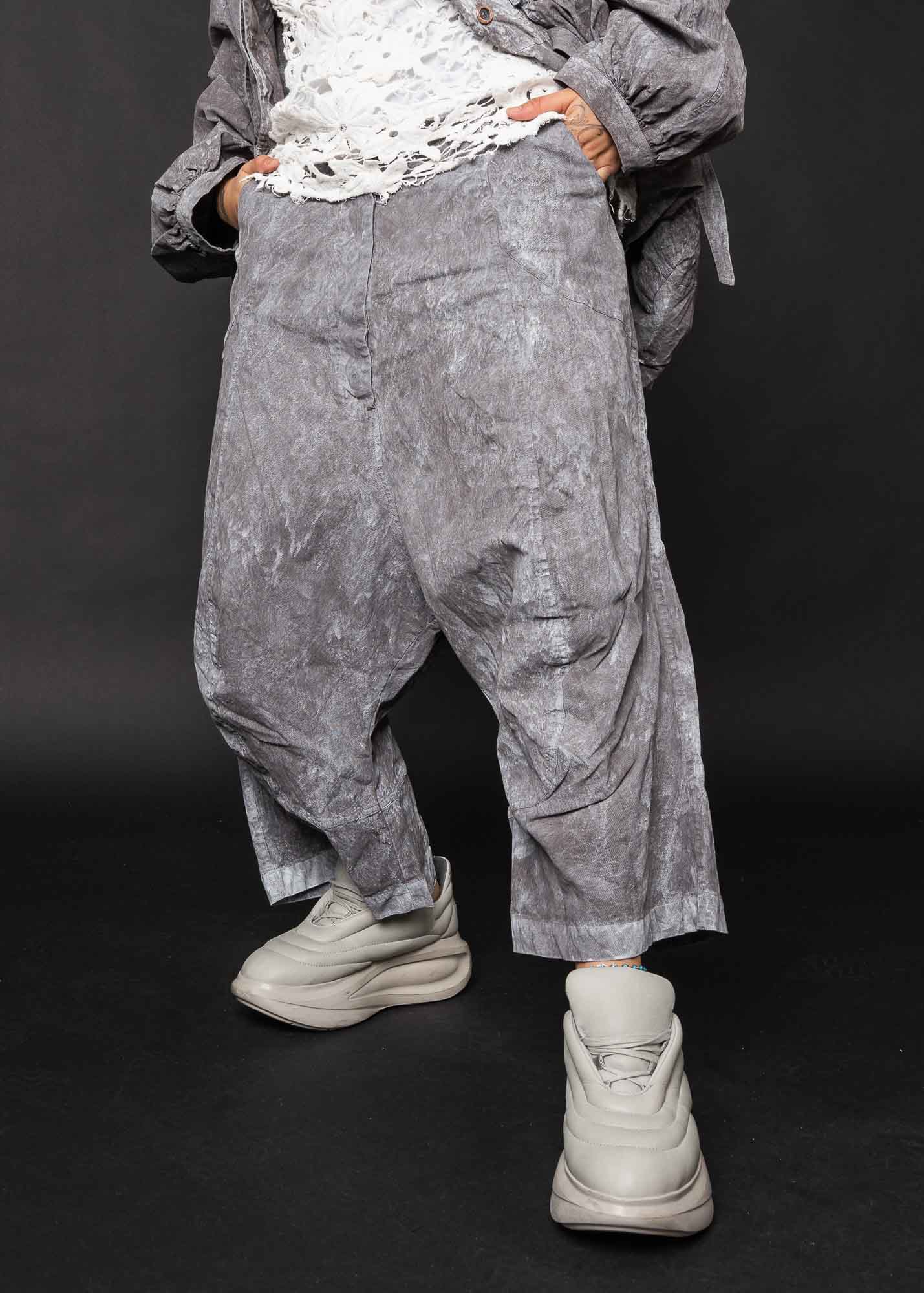

The color nuances of ambergris are also fascinating, as they vary greatly. Its color changes over time: initially soft and dark, it gradually oxidizes and lightens under the influence of sunlight, air and seawater. The longer it is allowed to "mature" in the sea, the lighter and firmer it usually becomes.
Carsten Rundholz has named one of the current RUNDHOLZ DIP colors after this fascinating material. The color is just as exciting as its inspiration: a warm, rich shade of grey with multi-layered nuances ranging from deep purple to shimmering silver grey.
This extraordinary RUNDHOLZ DIP color harmonizes with almost every skin and hair tone and is a special tip for women who go for flattering, rich colors.